
It doesn't defend itself
Jan 30, 2026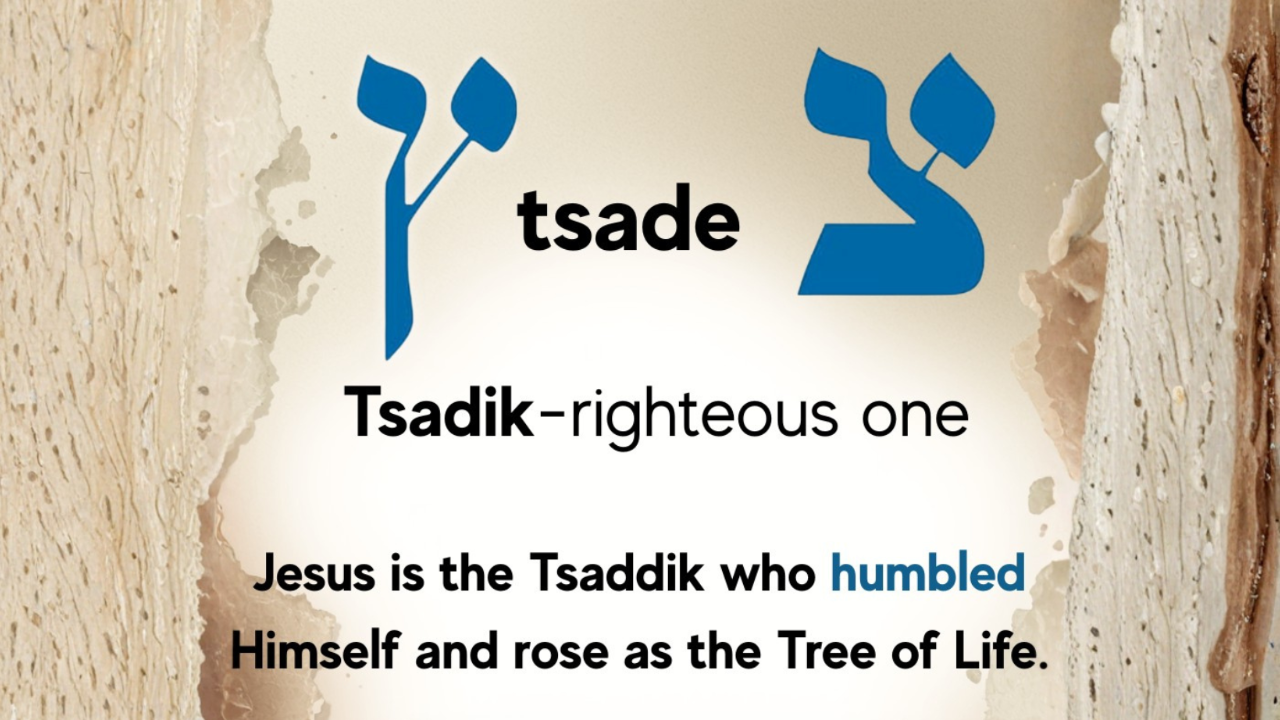
Humility — The Crown of Virtues (Part One)
During the Hebrew month of Shevat, we reflect on the letter Tsade (צ), also associated with the Tsaddik, the righteous one. The letter Tsade has two forms. At the beginning of a word, it is bent, symbolizing humility. At the end of a word, it stands upright, resembling a tree.
This is a beautiful picture of Jesus—the ultimate Tsaddik. He humbled Himself, taking on flesh, and was nailed to a tree. Yet He did not remain there. He was resurrected as the Upright One, the Tree of Life. From humility came glory; from surrender came resurrection.
For that reason, we are going to “park” ourselves on the theme of humility for the next few weeks. The month of Shevat emphasizes humility.
Humility is often called the highest of Christian virtues. Anyone who is serious about following and honoring the Lord will, at some point, find themselves striving for humility. Yet it often feels like a constant battle, almost like a yo-yo swing between suffering humiliation and yet walking in humility.
I do not believe humiliation is God’s preferred method for teaching humility. God never humiliated Moses who was considered more humble than any other man.
There is a rabbinical teaching that says if you humiliate someone publicly and their face and neck turn red, the redness being blood rushing due to an autonomic response, you have, in essence, shed blood and are therefore guilty of murder. That may sound extreme, but it reveals how seriously Scripture and Jewish tradition treat the dignity of the human soul. Beware of embarrassing, belittling, or even jokingly criticizing someone! Eph. 5:4
However, it is interesting that while "humiliation" and "humility" are similar in wording, they are emotionally very different. Humiliation carries shame at its core, which can also result in false humility. True humility is rooted in grace, which results in quiet confidence and boldness.
You may have heard it said that humility is a choice, and to a degree, that is true. We choose how we respond in any given moment. However, I believe that if we must constantly argue with ourselves, debating how to act humbly, then we have not yet fully possessed this crown of virtues.
True humility is not something you perform. It is who you are in the moment and not who you are trying to become.
Humility is very much like breathing. We don’t consciously think about inhaling and exhaling; it simply happens. In the same way, true humility does not announce itself in a testing situation by saying, “Oh, I need to be humble now.” You simply are humble; and you don’t even realize it. Truly humble people do not defend themselves, justify their actions, or concern themselves with others’ opinions.
That raises an honest and important question:
How do we actually grow in humility? If true humility cannot be manufactured, rehearsed, or forced, then where does it come from?
In Part Two, we will look beneath the surface into the hidden work God does in the heart and discover how humility is quietly and powerfully formed.